 MAJA PETANI
Cad(e)ance
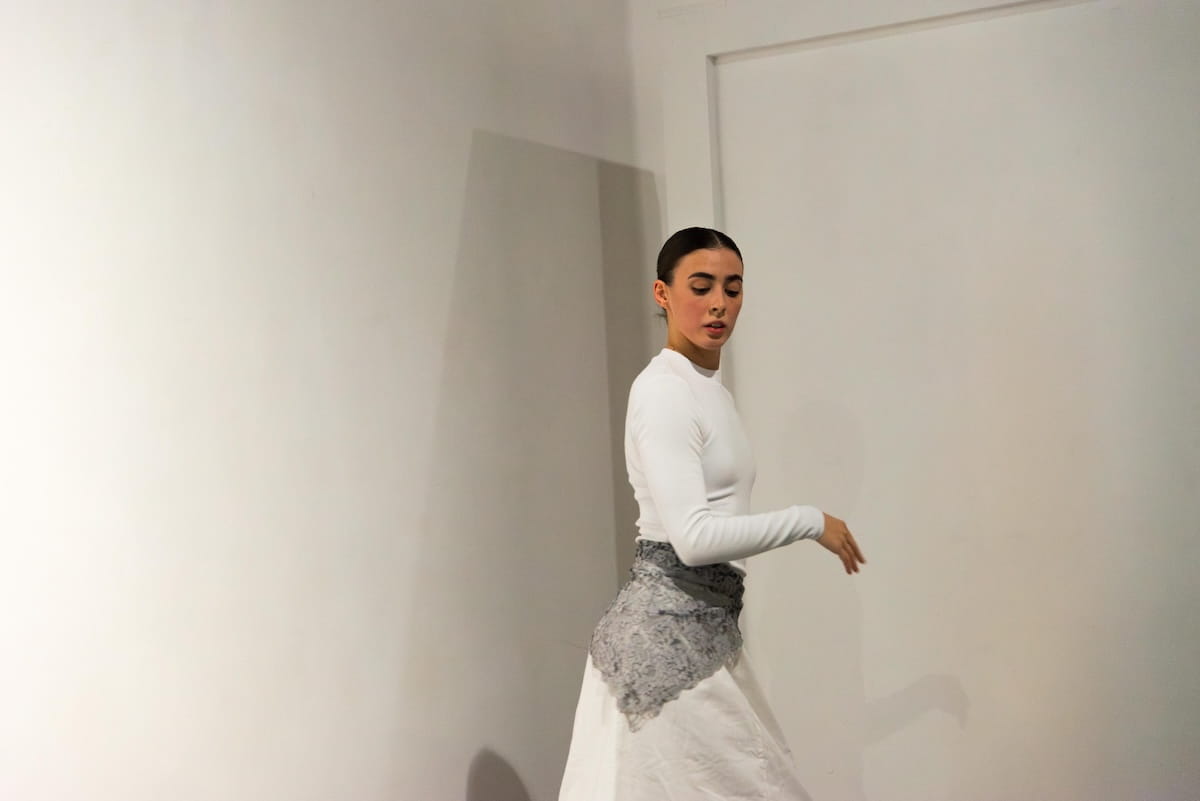
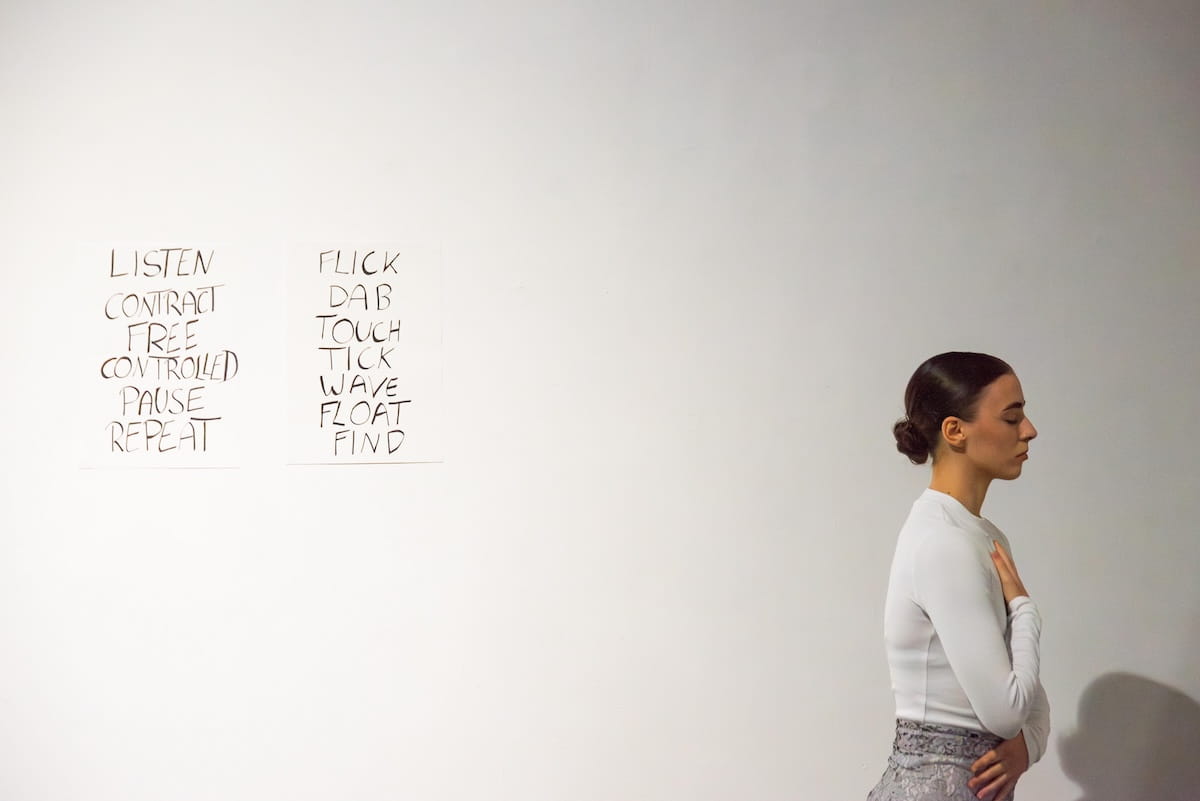
Half-forgotten songs, words, and lingering rhythms do not disappear. They continue to exist quietly through gestures and cadences. Movement carries memory when speech falls silent. As old songs resurface and the Arbanasi dialect gradually fades, their rhythm takes shape through movement. The body listens, the body responds. What remains are echoes in motion, a moving heritage, a past that returns through the body’s memory. Even what has disappeared leaves traces behind. Through them, the Arbanasi tradition continues to live on, preserved for future generations. Cad(e)ance is a dance performance born from the dialogue between the body, language, and song. It was developed through a method of embodied listening, with dance existing alongside the Arbanasi language. It does not translate or construct a narrative, but instead responds to the qualities, cadences, rhythms, and melodies of the language. By combining artistic and research practices with community participation, the project strengthens and opens up the local Arbanasi heritage to a wider audience.
Maja Petani is a dance artist and performer whose practice brings together contemporary dance, performance, and artistic research. She holds a BA in Contemporary Dance from the Academy of Dramatic Art in Zagreb and is currently completing the MA program in Art and Performance Research (artistic track) at the University of Amsterdam (UvA). Her practice brings together theatre, opera, television, and festival productions, as well as interdisciplinary artistic research projects. As a performer, she has collaborated with Zadar Dance Ensemble, performed at the Dubrovnik Summer Festival, taken part in the opera Stanac, and appeared in the Croatian television competition Dora. In 2026, she is participating in the creation and performance of Sensing Sound at the Rewire Festival in The Hague and presenting her graduating artistic project as part of the exhibition Lateral Currents at Loods 6 in Amsterdam. Her work explores traditions, endangered languages, and cultural heritage through the relationship between the body, movement, sound, voice, perception, and sensory experience. She is the recipient of the University of Zagreb Rector’s Award and a member of PULS, the Professional Association of Dance Artists.
 KATJA BUTKOVIĆ
How We Live on the Water and by the Sea
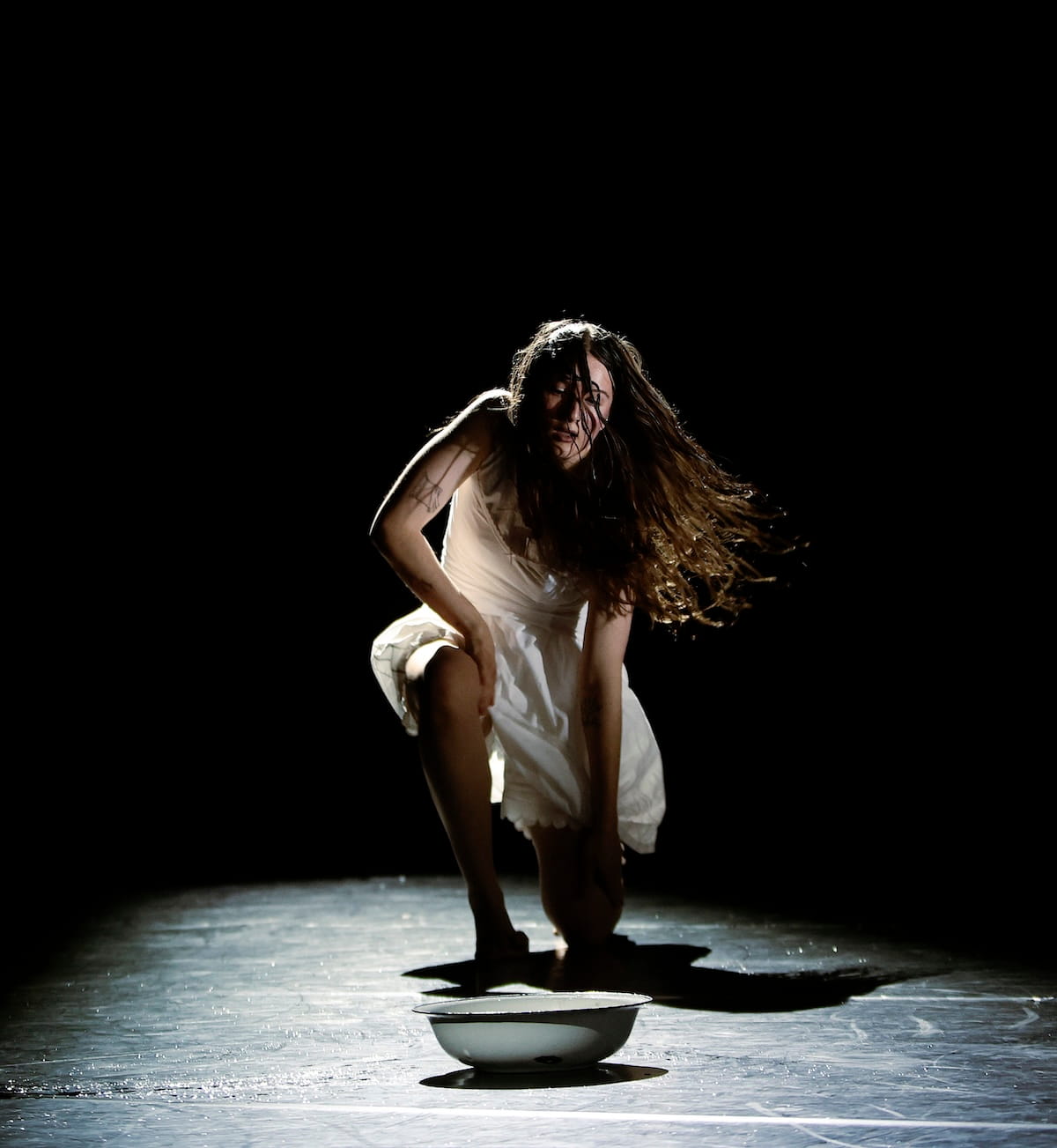
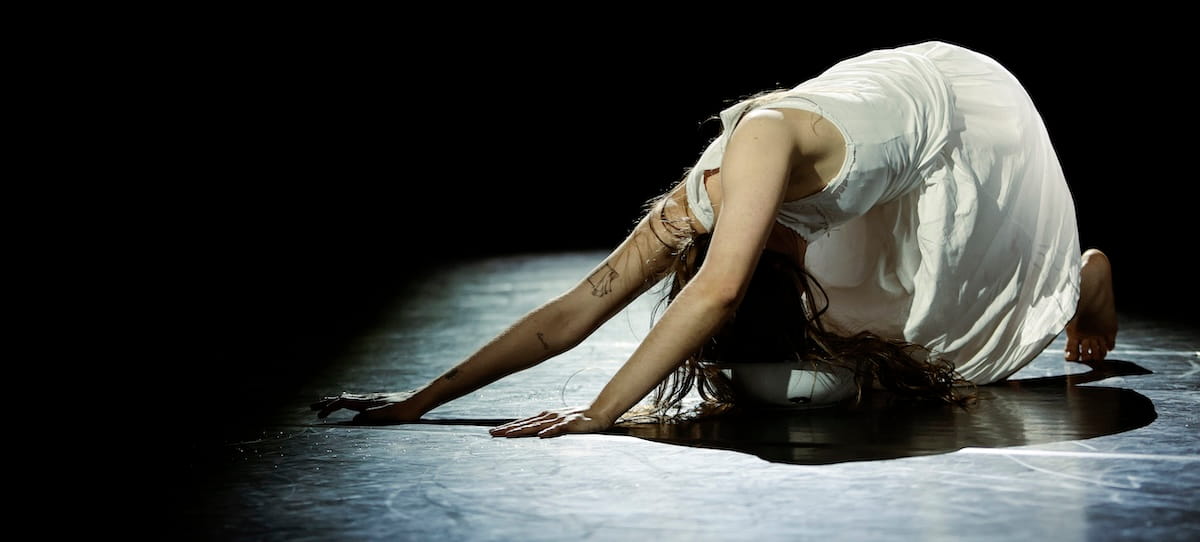
Solo How We Live on the Water and by the Sea is based on the artistic concept of duality between exploring what it means to be a Croatian woman and, at the same time, revealing the silent violence embedded in the land. The woman’s body brings an intimate approach to portraiture, presenting her not as a seductress or a saint, but as a woman in everyday situations. The focus gradually shifts from constructing portraits of everyday life to the idea of revolution as a personal act, a process of cleansing, reclaiming space, and asking: Can the hands of this land be washed?
Katja Butković is a Croatian performer and author. She graduated in 2025 from Fontys Academy of the Arts in Tilburg, the Netherlands, where she had the opportunity to intern with Sidi Larbi Cherkaoui/Eastman Dance Company and the Dutch National Opera & Ballet. She has also worked as an assistant to choreographer and theatre director Andrei Beugger. As part of her studies, in 2023 she spent a year at Area Dansa, a professional development program in creation and contemporary dance in Barcelona. Over the past few years, she has participated in creative processes with choreographers including Martí Aparici, Maximiliano Sanford, Clémentine Telesfort, Diego Sinniger, Katja Heitmann, and Andrea Gavriliu, as well as in repertoire work with Sidi Larbi Cherkaoui, Danielle Huyghe, Ann Van den Broek, and Cecilia Moisio. She is deeply committed to creative research and has presented her own work in theatres across the Netherlands, including at festivals such as Seasoning Summer with United Cowboys and Tilburg in Motion.
 MARK MARIĆ
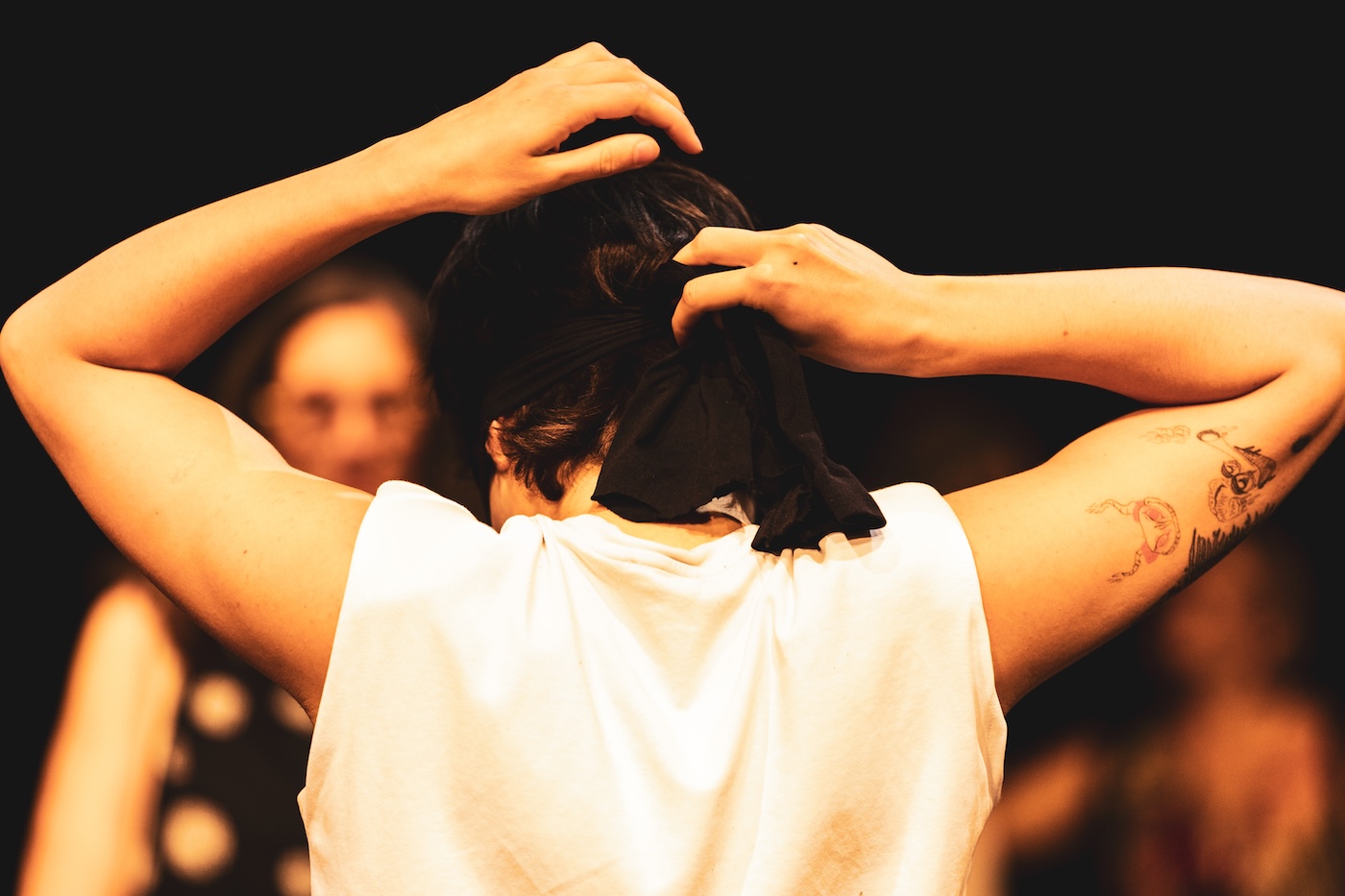
Blindfold Experiment
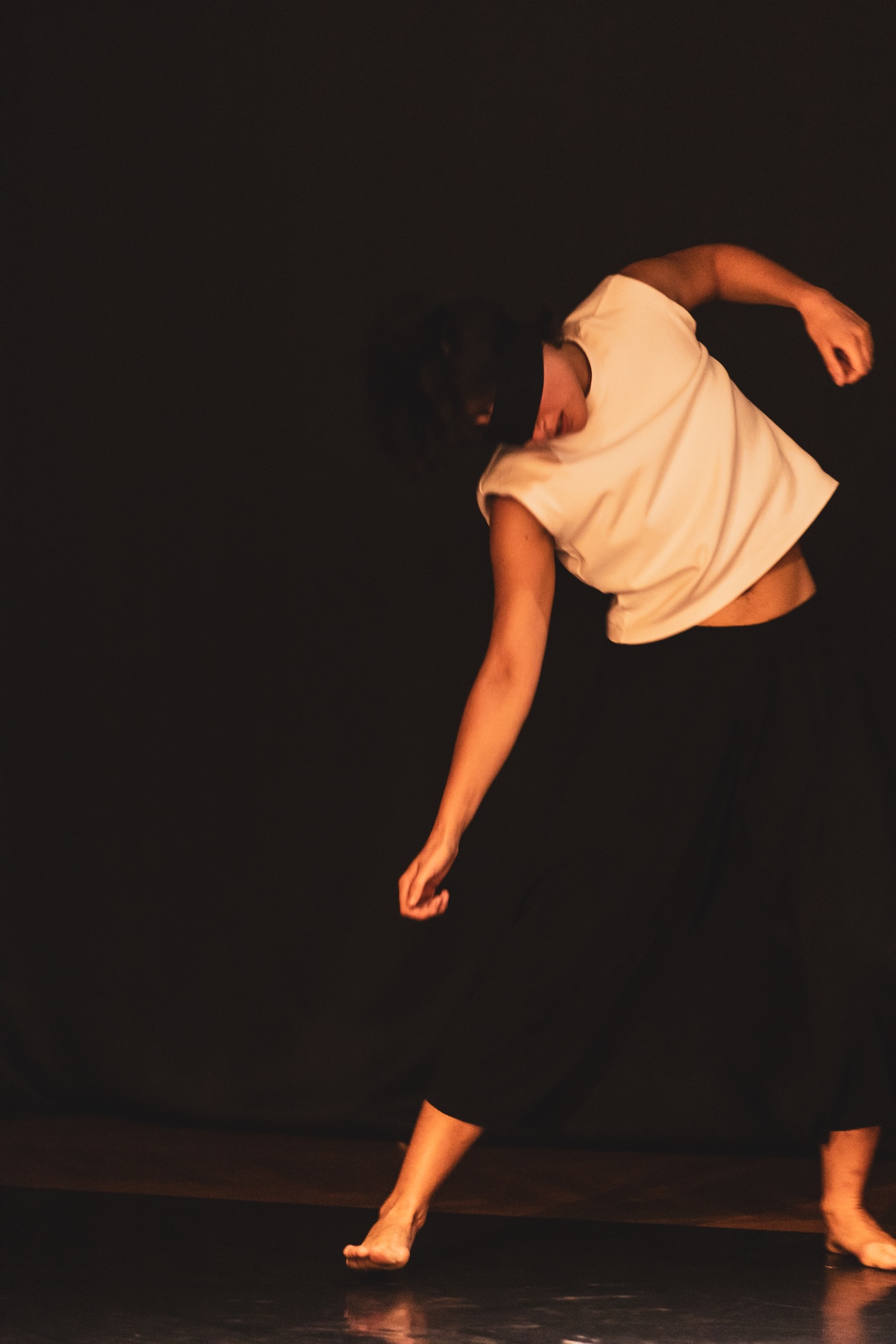
Blindfold Experiment explores the safety conditions that are necessary in a performance while fostering trust, tenderness, and collective responsibility through the following questions:
How does the performer relate to a space that can only be partially perceived?
How does the performer move when the body simultaneously enables and restricts movement?
Where is the boundary between observer and participant?
Under what conditions is that boundary crossed?
What is needed to achieve collective responsibility for safety within a shared space?
Mark Marić was born in 2006 in Pula, Croatia. He was first introduced to dance through the Drama and Dance Studio at the Istrian National Theatre in Pula. After completing secondary school, he enrolled in the Contemporary Dance program at the Academy of Dramatic Art in Zagreb. He is currently entering his third year of study and has participated in numerous festivals and events, including Kliker Festival, Požeški Plesokaz, Plesada, Sounded Bodies, and Queer Zagreb. This is his first appearance at Monoplay, where he presents a work created as part of the Choreography 2 course under the mentorship of Associate Professor of Arts Irma Omerzo. Through this work, he seeks to examine different conditions of performance, as well as the relationship between the audience and the performance, and the audience’s role within it.